Now Reading: Squint (Strabismus): Straighten the Eyes, Strengthen the Brain
-
01
Squint (Strabismus): Straighten the Eyes, Strengthen the Brain
Squint (Strabismus): Straighten the Eyes, Strengthen the Brain

What is squint?
Squint (strabismus) is a misalignment of the eyes (in-turning, out-turning or vertical deviation). In children, it can suppress the weaker eye and reduce depth perception; in adults it may cause double vision or social discomfort.
Causes & types
Uncorrected refractive error, muscle imbalance, nerve palsy or post-illness weakness can contribute. Types include esotropia, exotropia and vertical deviations; some are constant, others intermittent.
Evaluation at Kabra Eye Hospital
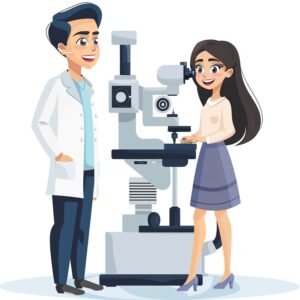
We assess vision in both eyes, refraction, binocular function and ocular motility. For children, we check for amblyopia (lazy eye). Sometimes glasses alone align the eyes; other times we add patching or exercises.
Treatment options
Glasses (especially for accommodative esotropia)
Patching/penalization to treat amblyopia in kids
Orthoptic exercises for convergence insufficiency
Prisms to manage small angles or diplopia
Squint surgery to adjust muscle position/strength in persistent cases
Surgery is day-care in most cases, with cosmetic and functional benefits. Early treatment in children improves brain development of binocular vision.
Life after treatment
Most children return to school within a few days; adults resume work quickly with precautions. Follow-ups ensure stability and monitor amblyopia therapy where needed.
CTA: For a comprehensive squint evaluation, visit Kabra Eye Hospital, Sodala, Ajmer Road, Jaipur.
FAQ
Is squint just cosmetic?
No. It can affect depth perception and, in kids, brain development of vision.
What age is best for surgery?
Depends on type; earlier tends to be better for developmental benefit—your surgeon will guide you.